
Where I work: The Avenue Recording Studio
Cheltenham, Bayside Melbourne. Simon is a co-owner, and mixes from Studio B.
- Tracking
- Studio A: 32-channel SSL 6000E, a good-sized live room with high ceilings
- Mixing
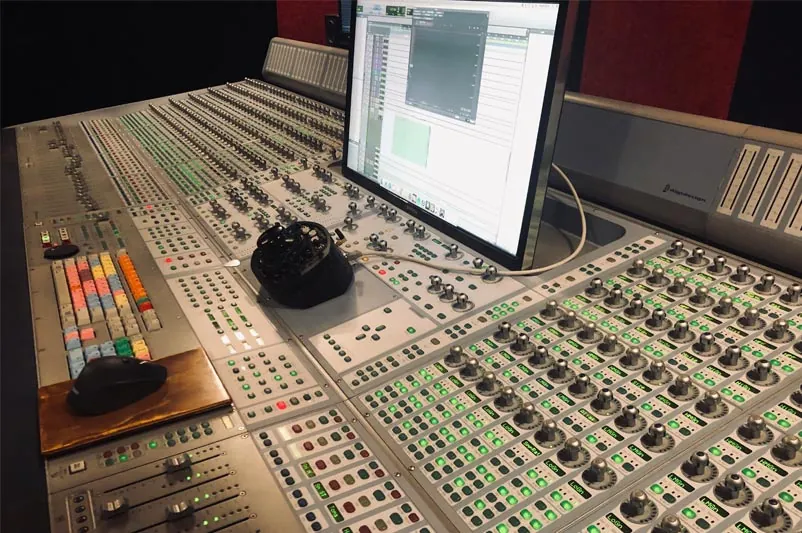
- Studio B, Simon’s room: hybrid analogue, 7.1.4 Atmos
- Rooms
- Five studios under one roof
- Where
- Charlton Avenue, Cheltenham. Ground-level parking, no stairs.
One building, the whole record
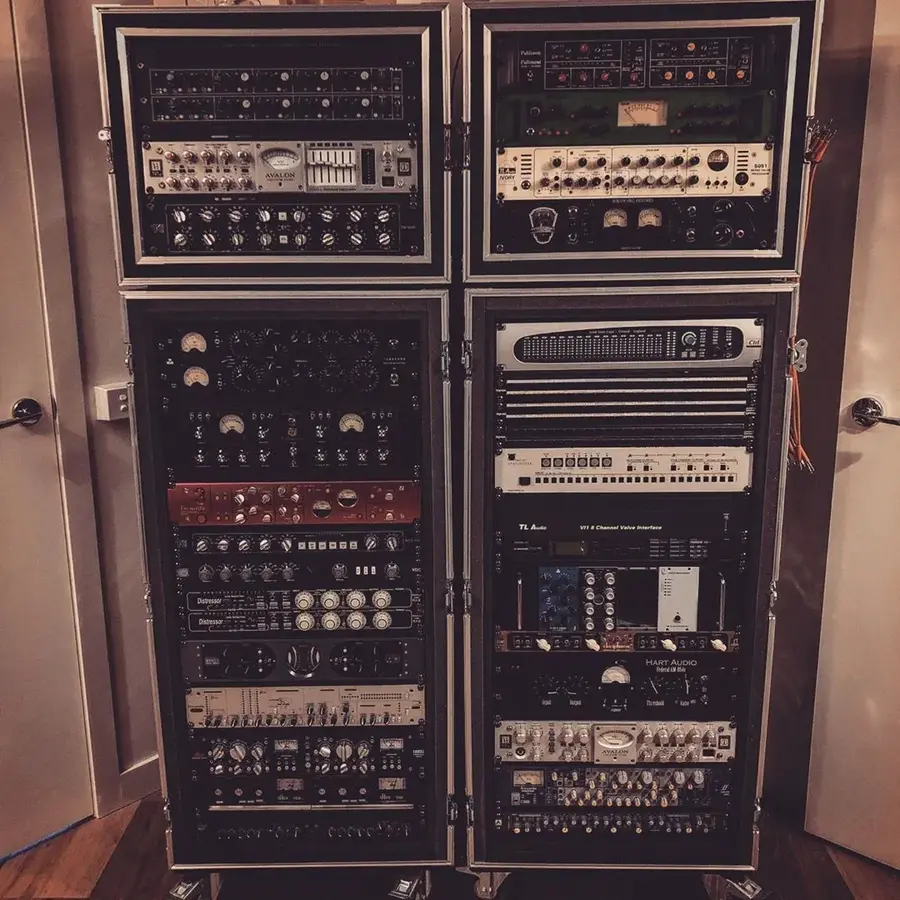
I record and mix at The Avenue Recording Studio in Cheltenham, which I co-own. Tracking happens in Studio A around the 32-channel SSL 6000E, with a good-sized live room, high ceilings and isolation rooms for separation. Mixing happens in my own room, Studio B, a hybrid analogue setup built around a 48-channel Avid D-Control, SSL Sigma summing and a rack of vintage and modern outboard, monitored in 7.1.4 for Dolby Atmos. Three more rooms cover mastering, production and writing, so a record can go from first demo to master without leaving the building. The rooms, the full gear list and studio rates are on the Avenue’s gear page; how I use them is on the production and mixing pages here.
A recording day with me
How the day runs
By the time we are in Studio A, the hard decisions are made. Pre-production has already picked the songs, settled the forms and tempos, and put charts in front of anyone who needs them, so the session is spent on performances, not on working out the arrangement with the clock running. With charts and a plan, session players often land the take in twenty or thirty minutes. If you are playing, the chart is a map of the song for marking up ideas as we go. I produce, and an engineer works the desk with me. I very rarely do both, and it is deliberate: with the engineering handed off I can give my attention to you and the songs, and make sure the performances go to plan. A session runs eight hours, nine to five or ten to six.
What it costs
For a production, the studio is part of the estimate rather than a separate line: the ranges on the rates page include studio hire, engineering, session players and mixing, and I scope every project after a conversation. As a co-owner of The Avenue I get a reduced day rate in Studio A for recording, and that saving is built into the estimate. For a mix, the studio day is $399, listed with the per-song rate on the same page. If you want the room without me, the Avenue’s rates page has the studio’s own figures.
What to bring
Not the demos, lyrics or references: we will have been through all of that before the day, even for a straight tracking session. What you bring is the instruments you want to play, set up and in tune: fresh strings, good drum heads, intonation checked, so nothing is being fixed while the room is running. The Avenue has instruments, amps and mics of its own (the gear page lists them), and anything else can be hired from third parties, which I can organise. There is a microwave and basic kitchen facilities, a cafe two doors down, and parking at the door, ground level, no stairs.
After the day
Tracking is one stage of the production process. Editing, mixing in Studio B and mastering follow, and you hear the record at each stage before it moves to the next.


